
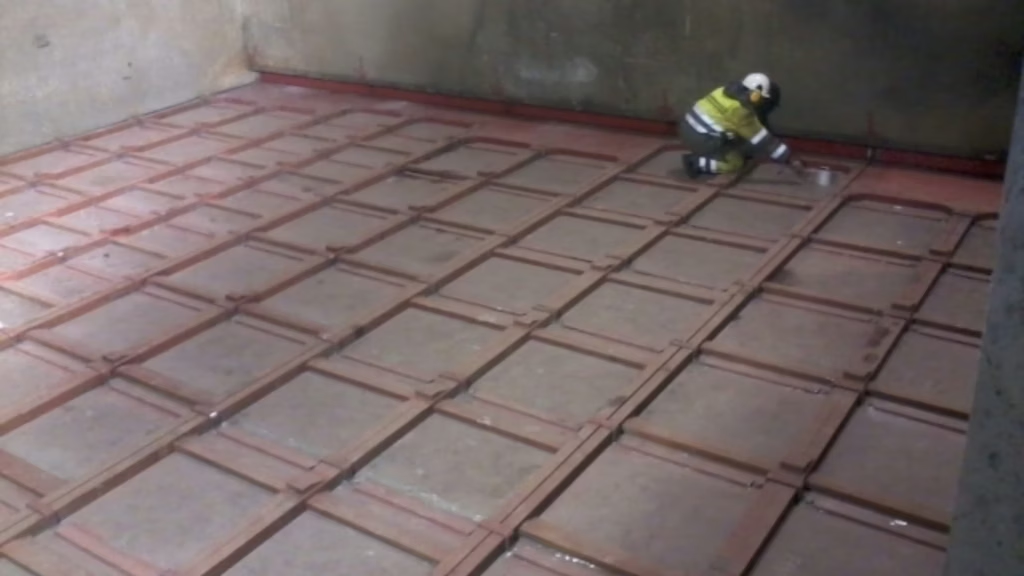
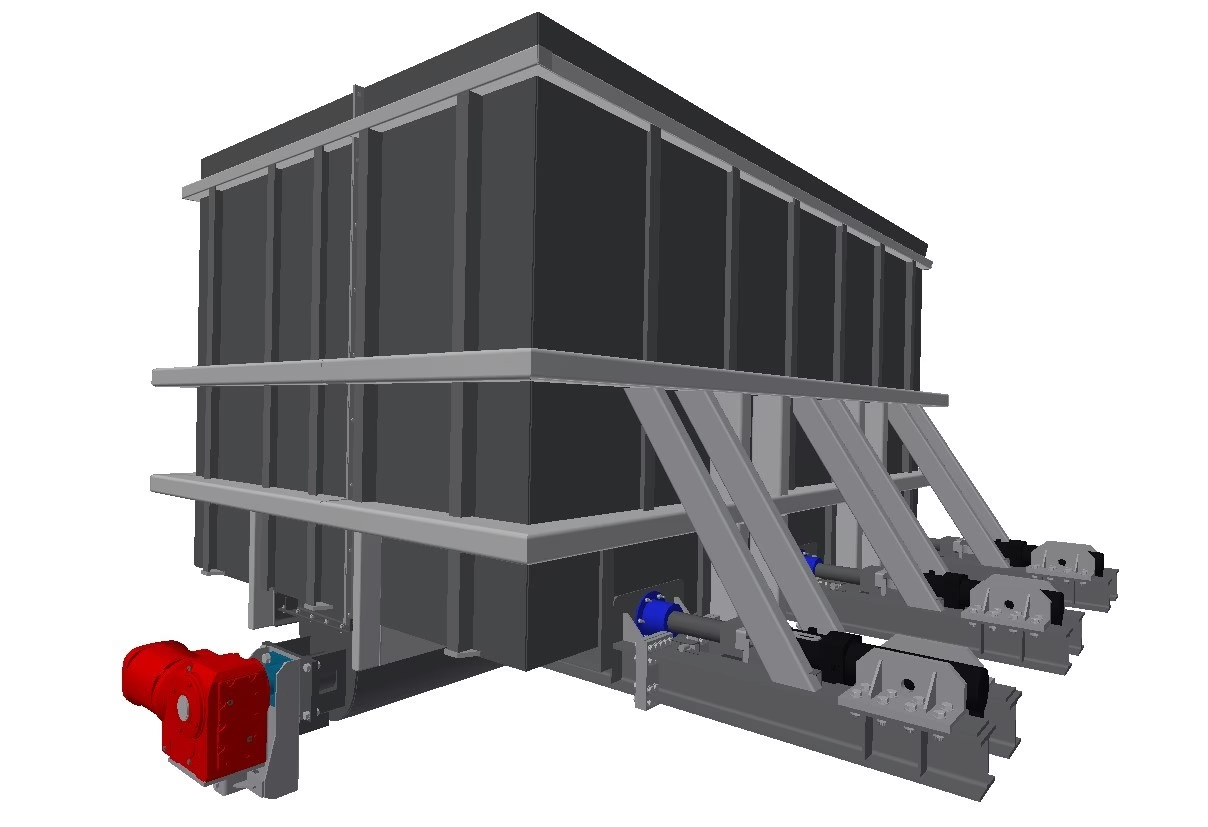
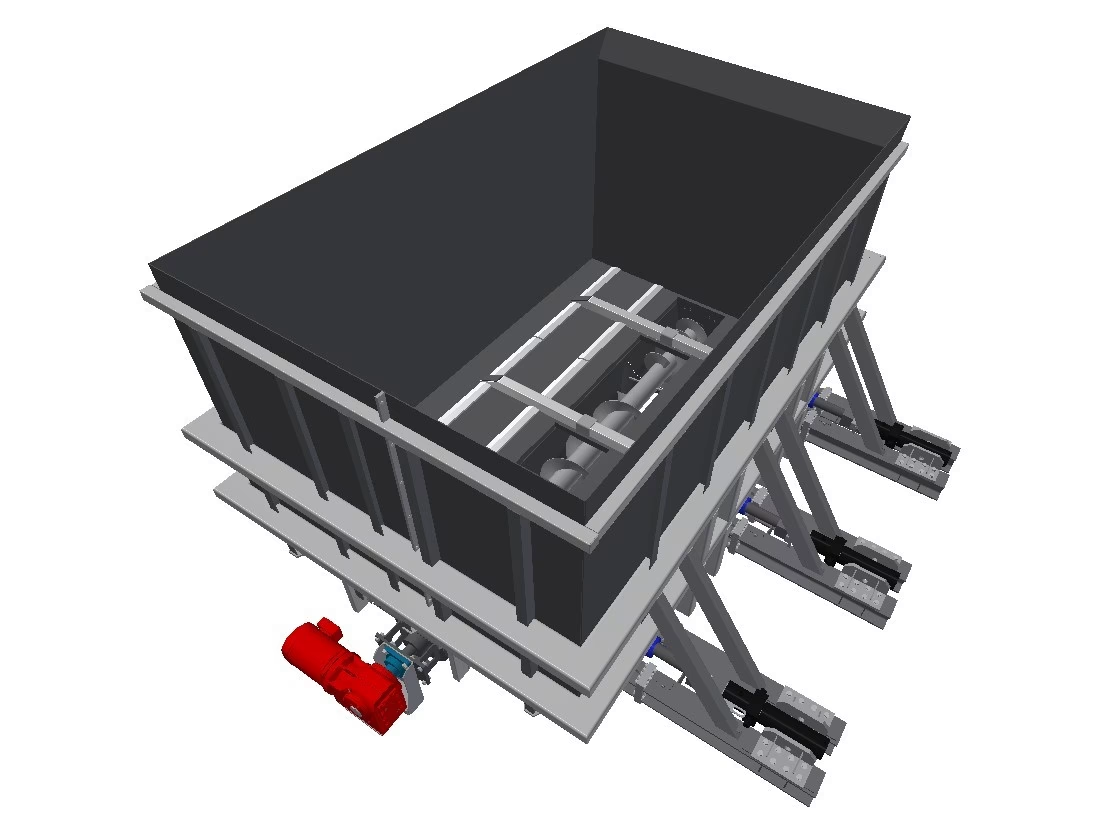
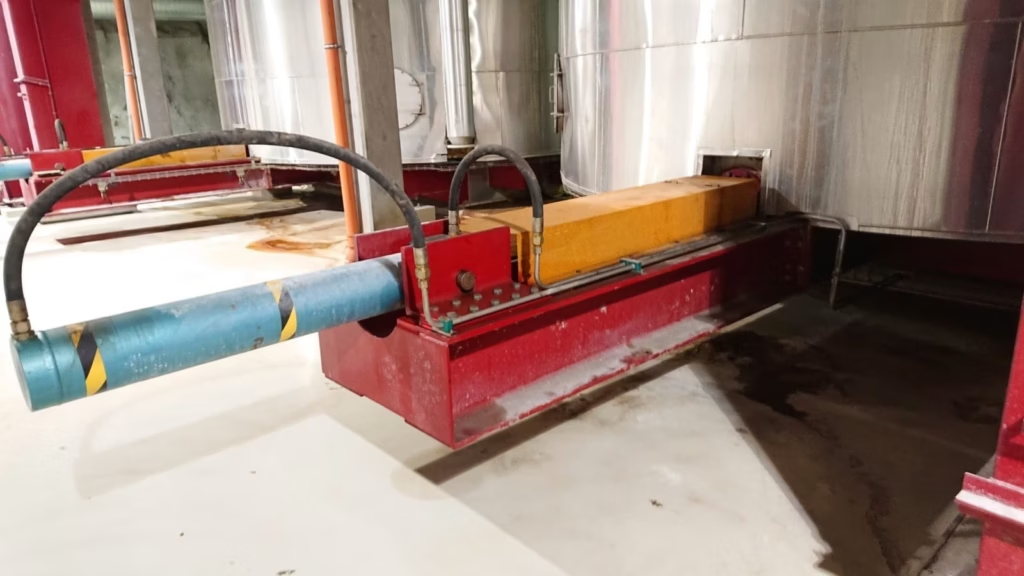
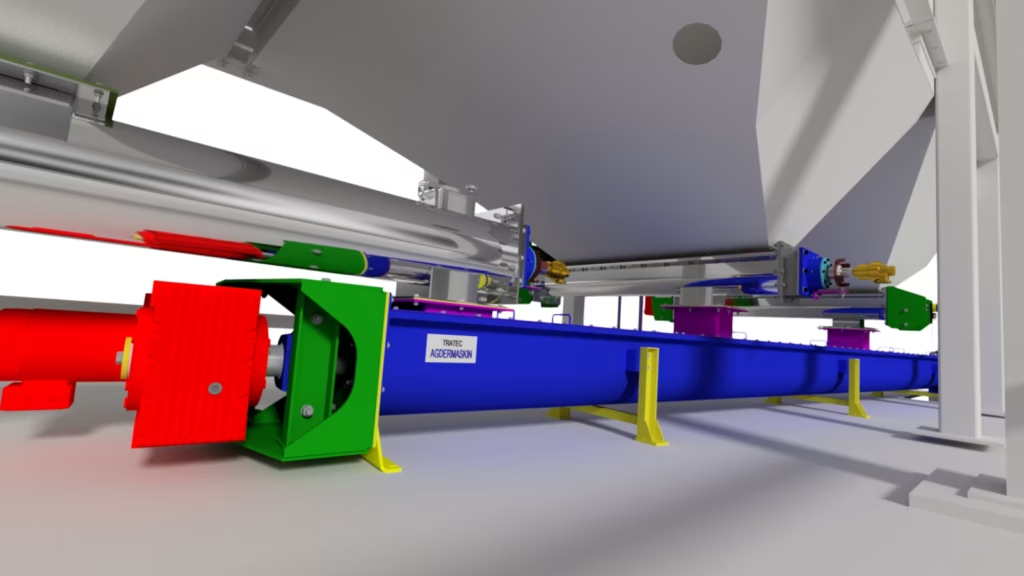
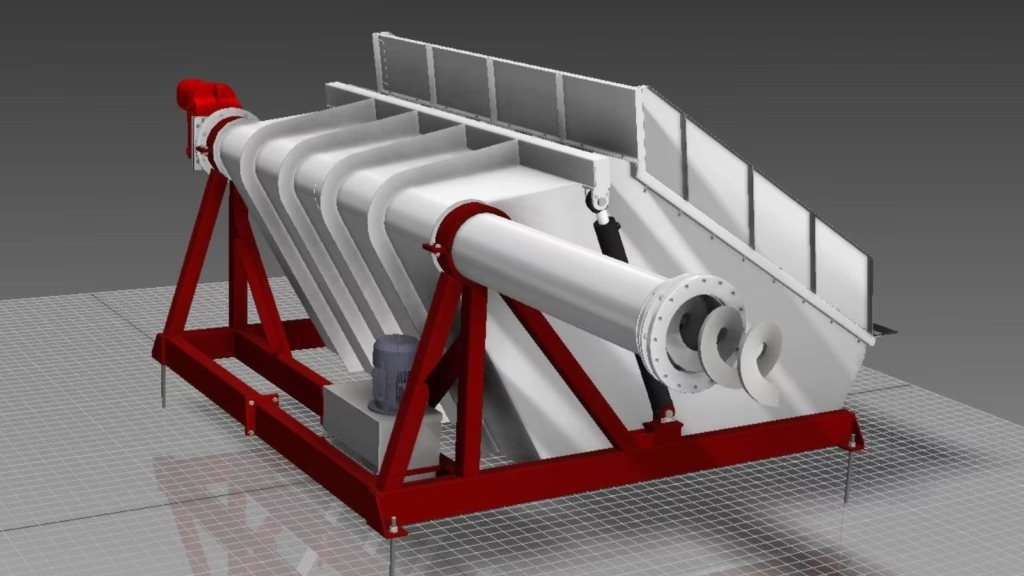
A bar feeder consists of several bar feeder ladders/frames placed on steel beams with steel plates or concrete in between, which together form a flat bottom surface. The steel beams, often called embedding steel, run through the entire silo/bay and terminate at one end against a crossbeam to which the hydraulic cylinders are connected. These cylinders drive the bar feeder ladders back and forth on the floor, which is made of steel or concrete, depending on the type of machine and material to be fed. At the discharge end of the bar feeder, an adjustable opening is created by means of a damper plate through which the stored material is pushed or pulled by the bar feeder ladders. The material then falls into a discharge auger located under the silo.
The outfeed auger is filled to capacity at all times as a result of the movement of the rod feeder ladder. The ladder's feed of material is controlled by sensors that give a start/stop signal to prevent overfilling of the auger. This has an adjustable speed that can be used to determine the exact output quantity.
For some material groups, e.g. those containing tears or fibres, a feeler screw can be placed above and slightly in front of the feeder screw to achieve a better and more even feed.
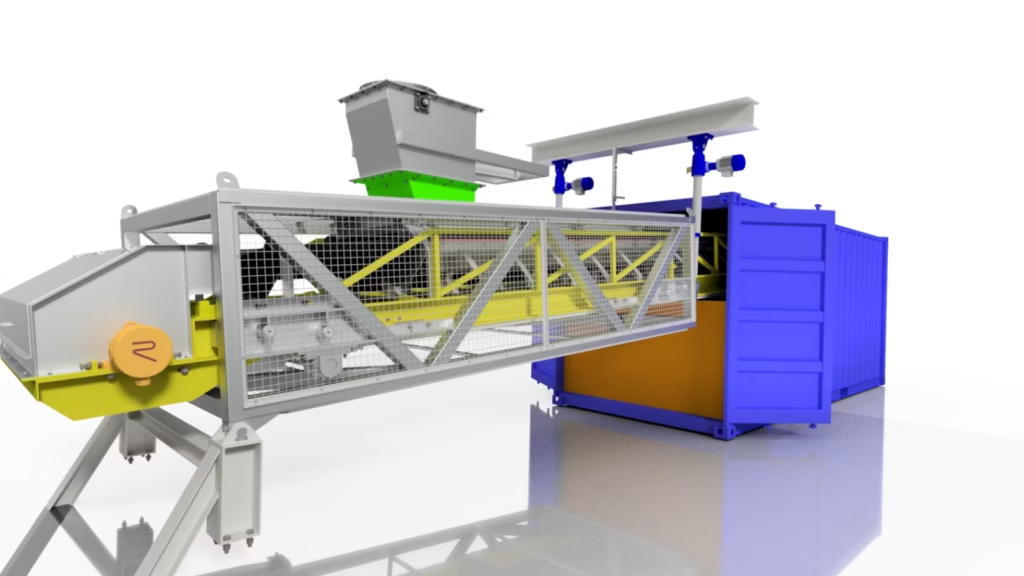
Output speed can also be adjusted by varying the speed of the ladders by means of varying the amount of oil from the hydraulic unit. This is mainly for material that contains large lumps that make it difficult to transport in a screw conveyor. The bar feeder will then deliver directly to a conveyor belt or scraper conveyor or a new bar feeder.
A flat bottom in a silo or bin allows the bar feeder concept to be used in many different configurations for customisation to customer requirements.
FIELDS OF USE
Rod feeders are particularly suited to handling heavy, moist and generally non-free-flowing loose material
LIST OF HANDLED MATERIAL
Aluminium hydrate, ammonium nitrate, bark with wood chips, biowaste, cardboard and paper waste, carnalite, cellulose residues, gypsum, FAB, chicken manure, straw, all types of sludge, contaminated soil, chipboard fibre, sawdust, artificial fertiliser, fibrous waste, garden waste, wood chips, hospital waste, construction waste, metal shavings, natural gypsum, North Sea silt, nylon fibre, pulp waste, peat, petroleum coke, phosphate, polyester fibres, animal feed, grinding dust, separated sludge particles, dewatered sludge, shredded waste, rubber tyres, slag from steelworks, and many more.


 Norwegian
 English